
Modern diesel trucks rely on more than fuel, oil, and coolant to operate correctly. Their emissions systems also depend on Diesel Exhaust Fluid, commonly called DEF.
DEF is a urea-based fluid made with high-purity urea and deionized water. It works with the selective catalytic reduction (SCR) system to reduce harmful nitrogen oxide emissions. When the DEF system is properly maintained, it operates quietly in the background.
When it is neglected, however, you may see warning lights, DEF quality codes, crystallization, reduced engine power, or a serious derate. In some cases, continuing to drive can leave you stranded.
Here are seven common DEF system mistakes diesel truck owners make: and what to do instead.
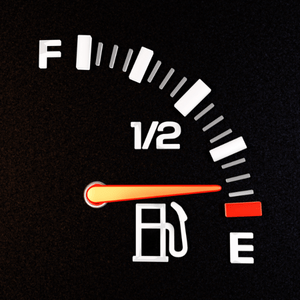
A low DEF warning is not something to put off until your next oil change. Your truck monitors DEF level and may begin a countdown before limiting speed or engine performance.
A low fluid condition can trigger:
The exact warning strategy varies by manufacturer and model. Some trucks may limit highway speed, while others can eventually enter an idle-only condition after being stopped.
Check the DEF gauge regularly, especially before towing, hauling, or starting a long trip. Refill the tank with fresh DEF that meets ISO 22241 requirements or carries the appropriate API certification mark.
Do not wait for the final warning. Refilling early is one of the easiest ways to prevent an avoidable diesel truck repair.
DEF has a shelf life. Fluid stored in excessive heat, direct sunlight, or an unsealed container can degrade over time. Contamination is another major concern.
Never add anything other than approved DEF to the DEF tank. Common contaminants include:
Even small amounts of contamination can affect DEF quality, damage SCR components, or cause the truck to set a quality-related code.
A DEF warning does not always mean the fluid itself is bad. A failed DEF pump, injector, sensor, heater, or NOx sensor can create similar symptoms. That is why accurate diagnostics matter.
Use fresh DEF from a trusted source. Check the expiration information and avoid fluid that looks cloudy, discolored, or contains sediment.
If you suspect contamination, do not simply dilute it by adding more DEF. The system may need to be tested, drained, flushed, and inspected by a qualified diesel technician.
For additional guidance, the American Petroleum Institute’s DEF storage and handling fact sheet explains the importance of dedicated equipment and ISO 22241-compliant handling.
One of the most preventable DEF mistakes happens during filling. A funnel, hose, or pump that has previously handled diesel fuel or another fluid should never be used for DEF.
DEF systems are sensitive to contamination. Even residue left inside a shared container can cause quality problems. Dirt from a dusty funnel or cap can also restrict the DEF injector or damage the dosing system.

Use DEF-only equipment. Keep the container, nozzle, filler neck, and cap clean. Do not touch the inside of the DEF container or filler neck with dirty hands, rags, or tools.
Store DEF in a sealed, approved container away from direct sunlight and extreme heat. Never use an old fuel can or a container that previously held oil, coolant, or chemicals.
If you operate a commercial fleet, label DEF equipment clearly and train every driver on the difference between the diesel fuel fill and the DEF fill.
White, chalky deposits are a common sign of DEF crystallization. Crystallization happens when DEF dries and the water evaporates, leaving urea crystals behind.
You may notice crystals around:
A small amount around the filler neck may be cleaned carefully. Crystals at the injector or inside the dosing system are more serious. Deposits can block the injector, restrict flow, or change the spray pattern. Instead of producing a fine mist, the injector may deliver too little DEF or spray unevenly.

Do not scrape aggressively at the injector or try to force hardened deposits deeper into the system. A technician can inspect the injector, lines, pump, and exhaust components to determine how far the crystallization has spread.
Depending on the condition, components may be cleaned with the correct procedure or replaced. Professional service typically includes checking the injector spray pattern, fluid pressure, related fault codes, and SCR performance after the repair.
Adding DEF may solve a low-fluid warning. It will not repair a failed pump, clogged injector, defective sensor, damaged wiring, or contaminated tank.
DEF and SCR fault codes can involve several components, including:
For example, a “poor DEF quality” message may be caused by actual contaminated fluid: or by a hardware problem that prevents the truck from achieving the expected NOx reduction.
Have the system diagnosed before replacing parts. Accurate diagnostics can identify whether the problem is fluid quality, restricted dosing, sensor feedback, wiring, or another emissions-system fault.
Avoid guessing and replacing expensive components one at a time. The right testing process can save time and prevent unnecessary diesel truck repair costs.
Reiff Diesel Services provides diesel performance and diagnostics for diesel trucks and works on the emissions systems found in many Cummins, Duramax, and Power Stroke applications.
DEF crystallization is more likely when DEF is sprayed into an exhaust system that is not reaching the temperature needed for proper SCR operation.
Frequent short trips, extended idling, and light-duty operation can prevent the exhaust from staying hot enough for efficient DEF decomposition and mixing. Excess fluid can puddle on hot surfaces, dry, and form deposits.
This does not mean every short trip will damage your truck. It does mean owners should pay attention to warning signs and follow the manufacturer’s operating recommendations.
Avoid unnecessary idling. When possible, combine short trips or allow the truck to complete its normal emissions-system operating routines. Do not shut the truck down repeatedly when a warning indicates that a cleaning or regeneration process is active.
If a work truck or fleet vehicle routinely operates at low load, add DEF system checks to its regular diesel truck maintenance schedule.
Fleet managers should also track recurring DEF codes across vehicles. A pattern may point to a storage, handling, or operating issue rather than isolated vehicle failures.
A derate warning means the truck has detected a condition that can affect emissions compliance or system operation. It is not a message to ignore until the truck becomes inconvenient to drive.
Continuing to operate with a DEF or SCR fault can result in:
For commercial vehicles, the cost can include missed deliveries, lost work, towing, and emergency repairs. For personal trucks, an ignored warning can leave you stopped far from home.
Read the exact warning message. Check the DEF level and verify that the filler cap is secure. If the warning remains, the truck needs professional diagnosis.
Do not rely on repeatedly clearing codes or disconnecting the battery. That may hide the warning temporarily without correcting the underlying problem.
DEF service should be part of your overall diesel truck maintenance plan. During routine service, a qualified technician can look for:
Reiff Diesel Services works on all major diesel platforms, including Cummins, Duramax, and Power Stroke. We also service commercial fleets and Mercedes Sprinter vans.
Our team provides accurate diagnostics, practical repair recommendations, and quick turnaround times. Repairs are backed by a 2-year/24,000-mile warranty, restrictions apply.
If you are searching for a diesel mechanic near me in Newburg, Chambersburg, Carlisle, Shippensburg, Newville, or the surrounding Franklin County area, Reiff Diesel Services is ready to help.
Bring your truck in for DEF system diagnostics, crystallization inspection, emissions-system service, or other diesel truck repair. We can help determine whether your warning is caused by low fluid, contamination, a clogged injector, a sensor problem, or a larger SCR system issue.
Schedule an appointment with Reiff Diesel Services or call 717-620-9466. Address DEF warnings sooner rather than later, and keep your truck working reliably instead of waiting for a derate to put you on the shoulder.

Follow Us On Facebook